Management Team & Engineering Leadership
The credibility of a steel structure manufacturer is not established by marketing materials — it is established by the engineering decisions made behind every project. This page describes the organizational structure, technical expertise, and research capabilities of the team that has been making those decisions since 1999. We describe roles and team-level achievements, not individual personalities, because the engineering capability of a steel structure company is a collective function, not a personal one.
Five-Tier Leadership Structure
Our organizational design separates strategic governance from engineering execution. The board sets direction; the engineering, production, and international business directors translate that direction into project outcomes. This separation ensures that technical decisions — steel grade selection, weld acceptance criteria, coating system specification — are made by engineering professionals, not overridden by commercial pressure.
Board of Directors
The board provides strategic governance: capital investment decisions (new production lines, facility expansion), market direction (domestic vs. international focus, product category expansion), and risk management oversight. Since 1999, the board has directed the company through three major phases: the initial workshop establishment (1999–2005), the qualification-driven expansion into special-class manufacturing (2005–2015), and the current phase of international project delivery and R&D investment (2015–present). The board's commitment to R&D — demonstrated by the joint research center with Shanghai Jiao Tong University established in 2023 — reflects the conviction that steel structure manufacturing is a discipline that advances through research, not through scale alone.
General Manager
The General Manager is the operational executive responsible for translating board strategy into operational execution. This role coordinates between the three functional directors (Engineering, Production, International Business), approves project acceptance criteria, and manages the interface between commercial contracts and engineering reality. The General Manager's authority extends to project-level decisions: accepting or rejecting project scope changes, approving schedule modifications, and authorizing quality exceptions — though the last is rare, because our production lines are configured to meet standards, not negotiate them.
Engineering Director
The Engineering Director leads the technical function: structural design review, connection detail engineering, welding procedure specification, quality control planning, and R&D program management. This role is the technical gatekeeper for every project — no fabrication begins until the Engineering Director's team has verified that the design is structurally sound, fabricable with our equipment, and compliant with the applicable standard. The Engineering Director also oversees the joint research center with Shanghai Jiao Tong University, managing the interface between academic research and production application. A joint research center is only valuable if its findings reach the workshop floor — the Engineering Director's team ensures they do.
Production Director
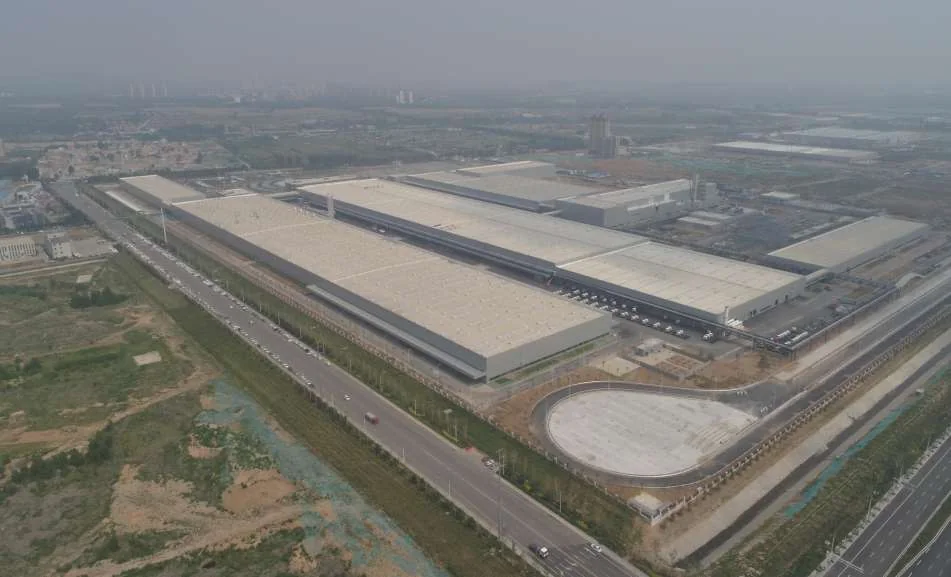
The Production Director manages the 100,000-square-meter workshop and its eight production lines. This role is responsible for production scheduling, equipment maintenance and calibration, workshop safety, and the daily quality control process (in-process inspection, material traceability, dimensional verification). The Production Director works in close coordination with the Engineering Director — engineering provides the "what to build" (drawings, WPS, quality plans), and production provides the "how to build it" (line assignments, equipment settings, operator instructions). When a design detail proves difficult to fabricate on our equipment, the Production Director's feedback to engineering initiates a design-for-manufacturability review.
International Business Director
The International Business Director leads the overseas project function: international client engagement, export documentation, logistics coordination, and international standard compliance. For export projects, this role is the primary interface between the client and the company — receiving requirements, providing quotations, managing communication during production, and coordinating shipping and site support. The International Business Director's team includes engineers fluent in international standards (AISC, EN 1090, AS 4100), so that standard-conversion questions are answered by engineers, not forwarded to the design office for a turnaround cycle.
From Board Strategy to Workshop Floor: One Chain of Accountability
Four levels, one chain of accountability. Each level owns a distinct decision type - strategy, execution, discipline, and delivery - and each hands off through documented interfaces rather than verbal shortcuts.
Board of Directors
Capital investment, market direction, risk oversight
General Manager
Project acceptance criteria, scope & schedule authority
Engineering Director
Design review, WPS, QC planning, R&D program, SJTU joint center
Production Director
8 production lines, scheduling, equipment calibration, workshop safety
International Business Director
Export documentation, logistics, AISC / EN 1090 / AS 4100 coordination
Functional Units Under the Three Directors
Design Institute
Structural modeling, connection detailing, shop drawing production, design-for-manufacturability reviews.
Manufacturing Center
Plate cutting, assembly, welding, blast-cleaning and coating across eight specialized lines.
QA & Inspection
Three-checkpoint inspection, material traceability, NDT (UT / MT), third-party inspection coordination.
Project Management
Schedule control, fabrication sequence matching erection order, site installation support.
Export & Logistics
Packing lists, VCI wrapping, customs files, breakbulk and container shipping coordination.
R&D Center
Spatial grid optimization software, welding metallurgy, cold-climate and BIPV research with SJTU.
50+ R&D Engineers, 100+ Patents, Joint Lab with SJTU
Engineering leadership is measured by the depth and breadth of the technical team behind the organizational chart. Our R&D capability is not an internal claim — it is verified by patent counts, published standards, and an institutional partnership with one of China's top engineering universities.
R&D Engineers
Granted Patents
Published Standards
The R&D Engineering Team
Our R&D team comprises more than 50 full-time engineers with specializations spanning structural engineering, welding metallurgy, anti-corrosion technology, spatial grid design optimization, and intelligent manufacturing systems. The team includes senior engineers with 15+ years of production experience alongside younger engineers recruited from top Chinese engineering universities. This composition — experienced practitioners paired with recent graduates — is intentional: the experienced engineers ensure that research is grounded in production reality, while the younger engineers bring current academic methods and computational tools.
The R&D team's output is not measured in papers (though the team has contributed to 30+ industry publications and co-authored national standards). It is measured in patents and production improvements: 100+ granted patents covering manufacturing processes, connection designs, structural systems, and quality control methods. Each patent originated from a production problem — a detail that was difficult to fabricate, a connection that did not perform as modeled, a coating system that failed in a specific environment — and the patent represents the engineering solution that was then standardized across the company.
Joint Research Center with Shanghai Jiao Tong University (2023)
In 2023, we established a joint research center with Shanghai Jiao Tong University (SJTU) — specifically with the School of Naval Architecture, Ocean and Civil Engineering, whose civil engineering program ranks among the top in China. The joint center formalizes a relationship that has existed through project-level collaboration for years, and provides a structured channel for academic research to flow into production engineering.
The joint center focuses on research topics that sit at the intersection of academic structural engineering and industrial manufacturing: advanced connection design for seismic performance, optimization algorithms for spatial grid member layouts, cold-climate material behavior (relevant to the Antarctica project), and BIPV (building-integrated photovoltaic) structural integration. SJTU's contribution is computational modeling and theoretical verification; our contribution is production-scale testing — we fabricate the prototype connection, test it on our equipment, and provide the data that validates or refutes the academic model. This loop, from model to prototype to production data and back to model, is the mechanism by which research becomes engineering capability rather than academic exercise.
Four Functions That Control Every Project
Steel structure delivery is a chain of four functional hand-offs: design, manufacturing, inspection, and project management. Each function has defined control points, documented records, and a named accountable unit - which is why a project can be audited at any stage, by you or by a third party.
What the Client Approves Before Steel Is Cut
The Design Institute issues structural analysis, connection details, welding procedure specifications, and shop drawings. Control points: design-for-manufacturability review (before fabrication), steel grade and standard conformance check (GB, AISC, EN, AS), and drawing approval by the client’s consultant. Outputs: approved shop drawings and a WPS register that welders work to.
Eight Lines, One Sequence: Production
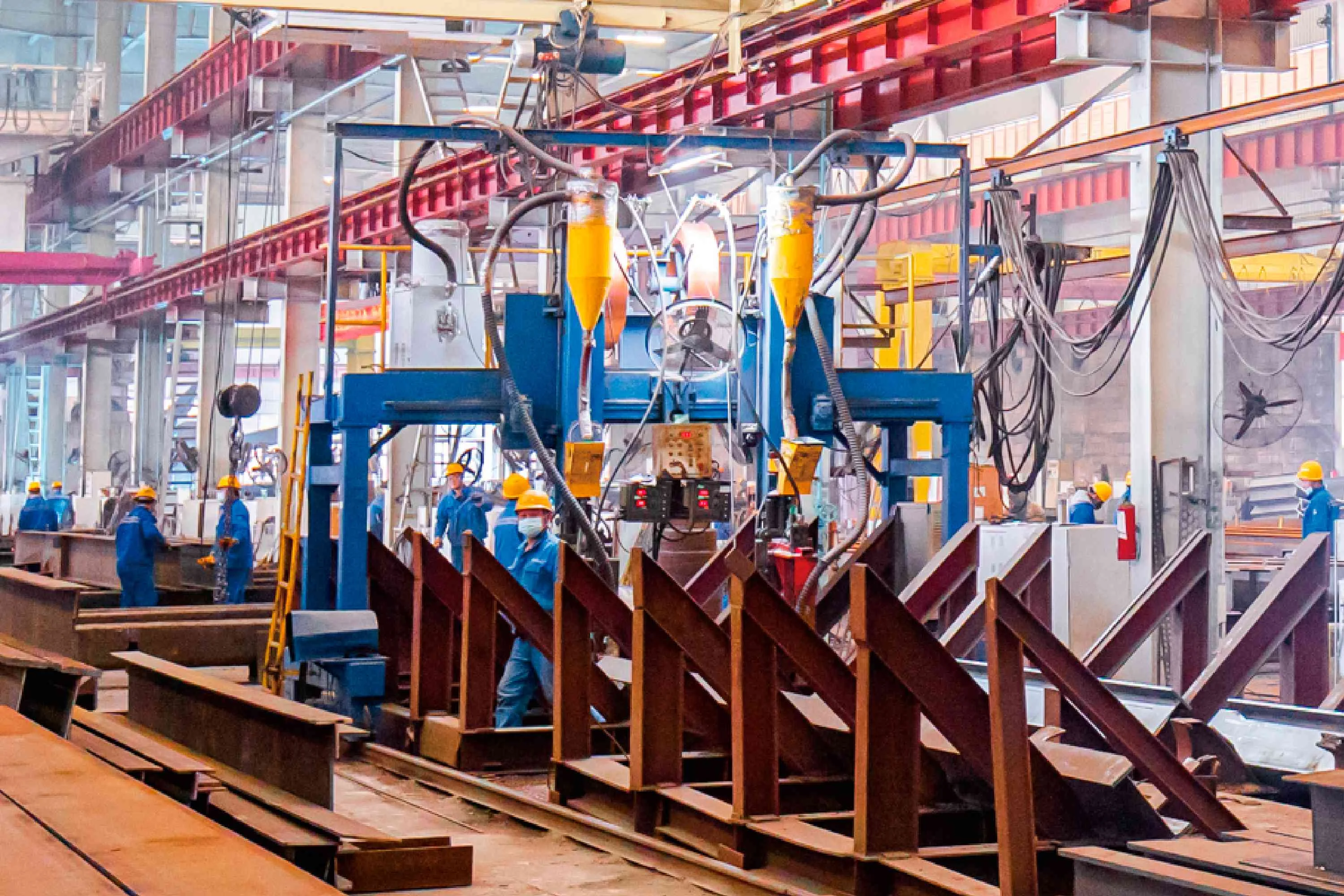
The Manufacturing Center runs plate cutting (CNC multi-head), H-beam and box-column lines, bolted-sphere and welded-sphere grid lines, pipe truss lines, and the purlin envelope line. Control points: CNC program verification, joint fit-up checks, full-penetration weld parameters logged against WPS, and CMM node verification for grid structures before dispatch.
Inspection at Three Checkpoints, Records Filed by Member
Members are inspected after cutting, after assembly, and after blast-cleaning/coating. Material test certificates are traceable to heat numbers; welds are verified by UT, and crane runway details by MT where required. Third-party inspectors are welcome at any checkpoint. Every deviation is photographed and logged - and closed before shipment.
Sequence Discipline: Fabrication Order = Erection Order
Project Management controls the schedule, but its critical discipline is sequencing: members ship in the order the site crane will pick them. The function also manages the documentation pack (MTCs, NDT reports, packing lists, customs files) and deploys site support engineers for complex lifts and training.
Five Areas of Specialized Engineering Depth
Our engineering team's expertise is concentrated in five technical domains, each developed through years of project-specific challenges. These are not marketing categories — they correspond to the engineering problems that distinguish our project portfolio from commodity steel fabrication.
Spatial Grid Design and Optimization
Spatial grid structures — bolted-sphere and welded-sphere systems — are our founding technical discipline. The company's special-class qualification for bolted-sphere grid manufacturing is the highest credential tier in this domain, held by fewer than 30 companies nationally. Our R&D team has developed proprietary spatial grid design software that optimizes member layouts, node geometries, and bolt specifications beyond what general-purpose structural software (SAP2000, ANSYS) produces. This software was used on the 229-meter coal shed (world's longest single-span coal storage structure), the Guangzhou Baiyun Airport T3 grid roof, and numerous stadium and exhibition center roofs. The software's optimization capability reduces steel tonnage by 8–15% compared to conventional grid design — a saving that flows directly to the client's project budget.
Bridge Engineering
Steel structure bridges require a different engineering approach from building structures: fatigue loading from traffic cycles, dynamic response under moving loads, and the interaction between the steel superstructure and its bearings. Our bridge engineering capability spans pedestrian bridges (including the 748-meter covered bridge project), vehicular bridges, and railway-adjacent structures. The bridge team works to bridge-specific standards (GB 50017 for steel structures, JTG D64 for highway bridges), with weld acceptance criteria that are stricter than building structures because of the fatigue sensitivity of bridge connections.
Seismic Design
Many of our projects are in seismic zones, including international projects in Pakistan (high seismic hazard) and domestic projects in western China. Our seismic design capability includes: performance-based seismic design (evaluating the structure under multiple earthquake intensity levels, not just a single design spectrum); seismic isolation detailing (base isolation at column-to-foundation connections, used on transportation infrastructure where post-earthquake functionality is critical); and seismic detailing of connections (welded and bolted connection details designed to maintain ductility under inelastic cyclic loading). This capability was applied on the Xuzhou East High-Speed Rail Station and on the Pakistan hydropower projects, both of which required the highest seismic performance objective under their respective codes.
Cold-Climate Engineering
The Antarctica Ross Sea Research Station is the most demanding cold-climate project in our portfolio, but the engineering capability developed for that project — steel grade selection for low-temperature toughness (Charpy V-notch testing at −40°C), coating systems for C5-M marine atmospheric corrosion in polar conditions, and connection details that accommodate thermal contraction without losing bolt preload — has been applied to other cold-climate projects. Cold-climate steel structure engineering is a specialized discipline because the failure modes differ from ambient-temperature structures: brittle fracture replaces ductile yielding as the critical limit state, and the coating system's glass transition temperature becomes a design constraint, not just a property.
BIPV (Building-Integrated Photovoltaic) Structural Integration
Building-integrated photovoltaics represent the intersection of structural engineering and renewable energy systems. Our BIPV integration capability covers: structural design of roof and facade systems that carry both structural loads and photovoltaic panels; the structural-photovoltaic interface (panel support framing, wiring pathways that do not compromise structural integrity); and the thermal and wind-load interaction between the photovoltaic array and the supporting steel structure. This capability is increasingly relevant as clients specify photovoltaic integration in industrial and commercial building roofs, and it draws on both our structural engineering team and our R&D program with SJTU.
Standards, Patents, and National-Level Projects
Research achievements are the external verification of engineering capability — not claims, but contributions to industry knowledge that have been peer-reviewed, standardized, or patented.
Published Standards and Technical Contributions
Our engineering team has contributed to more than 30 industry publications and co-authored national and industry standards for spatial grid structures, pipe trusses, and steel structure manufacturing. Co-authoring a standard means that our engineering perspective was incorporated into the regulatory framework that governs steel structure fabrication in China. This is a level of industry influence that goes beyond project execution — it means we contribute to defining what "correct" means in our discipline.
Standards we have contributed to cover: spatial grid structure design and construction (JGJ 7 and related), steel structure manufacturing quality (GB 50205 and related), pipe truss fabrication, and bolted-sphere node manufacturing tolerances. These contributions are based on production experience — the standards incorporate tolerance values, inspection methods, and acceptance criteria that we developed and validated on our production lines before they became industry standards.
Patent Portfolio
Our 100+ granted patents cover manufacturing processes, structural connections, coating application methods, and quality control systems. Rather than listing patent numbers, we describe what they represent: engineering solutions to production problems that were significant enough to warrant formal protection and standardized replication across the company. Patents in steel structure manufacturing typically fall into categories: (1) connection designs that improve structural performance or reduce fabrication complexity; (2) manufacturing process improvements that increase precision, throughput, or quality consistency; (3) coating and surface treatment innovations that extend service life or enable new environment classes; and (4) quality control methods that detect defects earlier in the production process. Each patent category corresponds to a competitive advantage that cannot be replicated without our engineering investment.
National-Level Project Participation
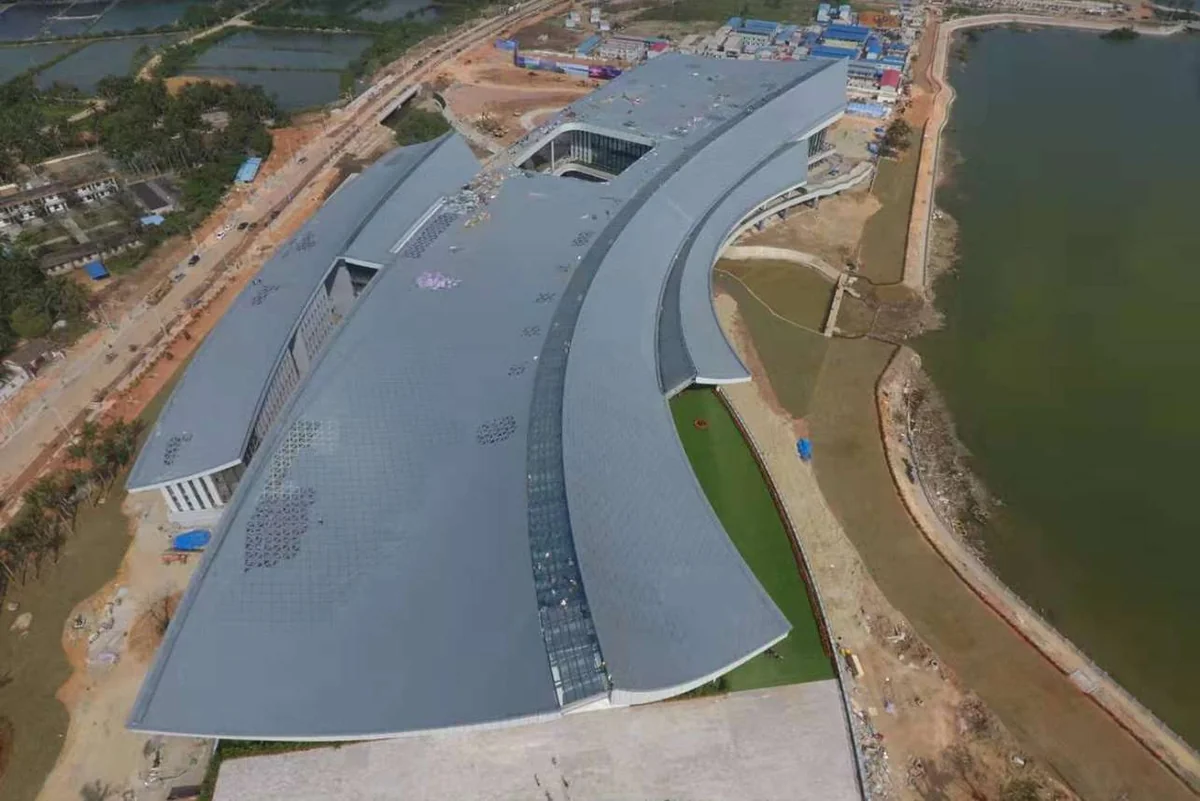
Our engineering team has participated in national-level projects that require engineering capabilities beyond standard commercial construction: the Antarctic Ross Sea Research Station (extreme-environment engineering), the 229-meter coal shed (world-record span), Guangzhou Baiyun Airport T3 (national gateway infrastructure), and the 748-meter covered bridge (long-span structural system). Participation in these projects is not a procurement relationship — it requires engineering qualification, which means our design review, welding procedures, and quality control plans were evaluated and accepted by the project's engineering authority before fabrication was authorized. Each of these projects pushed our engineering capability beyond its previous boundary, and the knowledge gained from each is embedded in our R&D program and patent portfolio.
Credentials You Can Verify Before You Commit
Below are the certificates held by the company - quality and management system certificates, manufacturing qualifications, and operating licenses. Every document is issued by a government authority or an accredited certification body. Scans are available on request, and the originals are displayed in our factory lobby for on-site inspection.
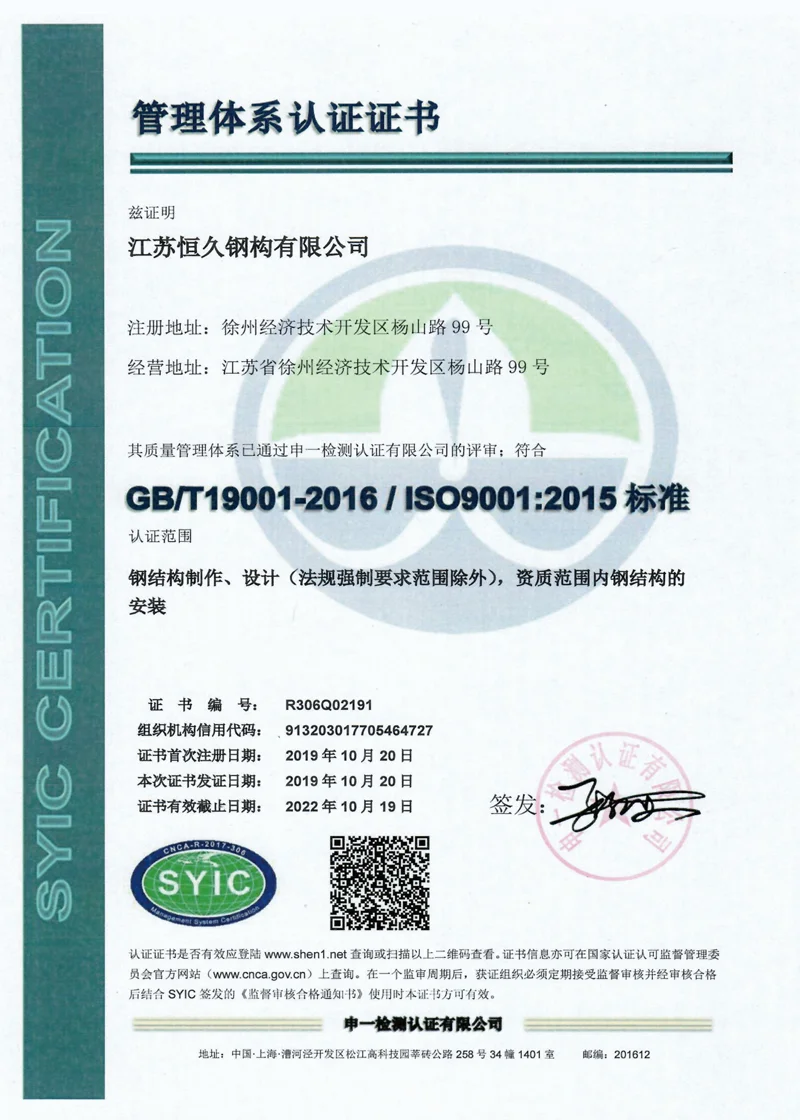
Management System Certificates
ISO 9001 quality, ISO 14001 environment, ISO 45001 occupational health & safety - audited by an accredited certification body
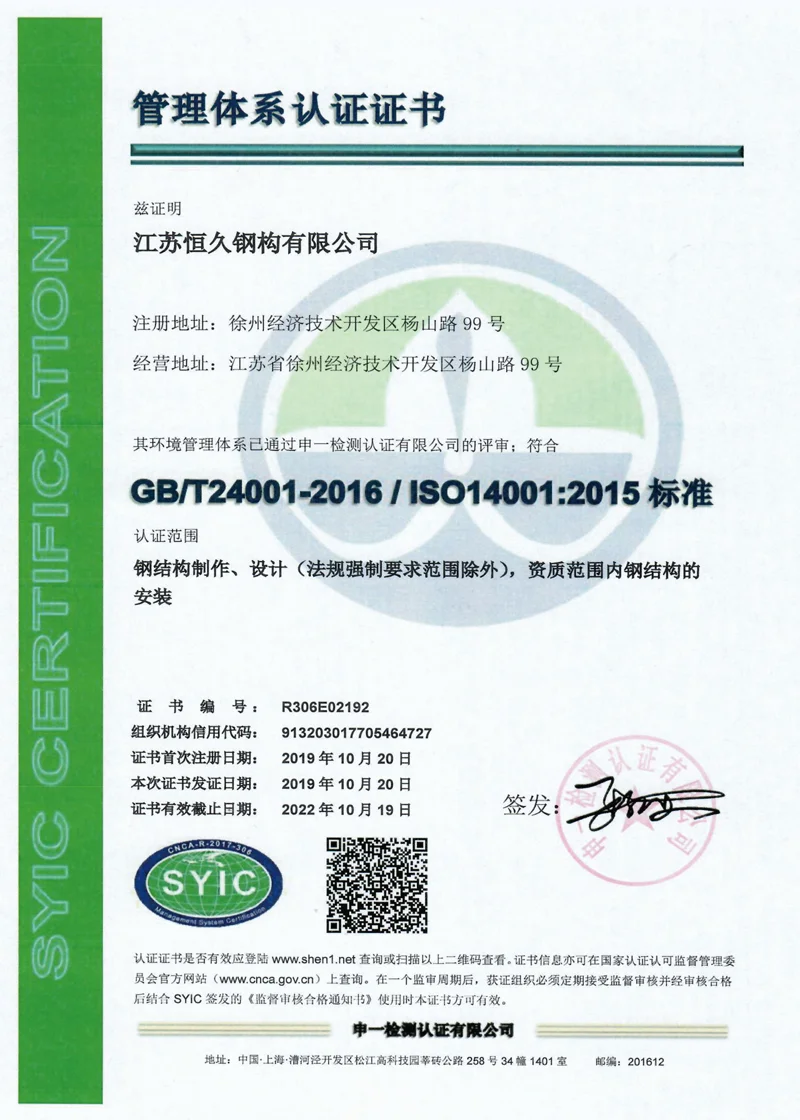
Quality & Environment System Scope
Covers design, fabrication, and installation of spatial grid and steel structures company-wide, not a single production line
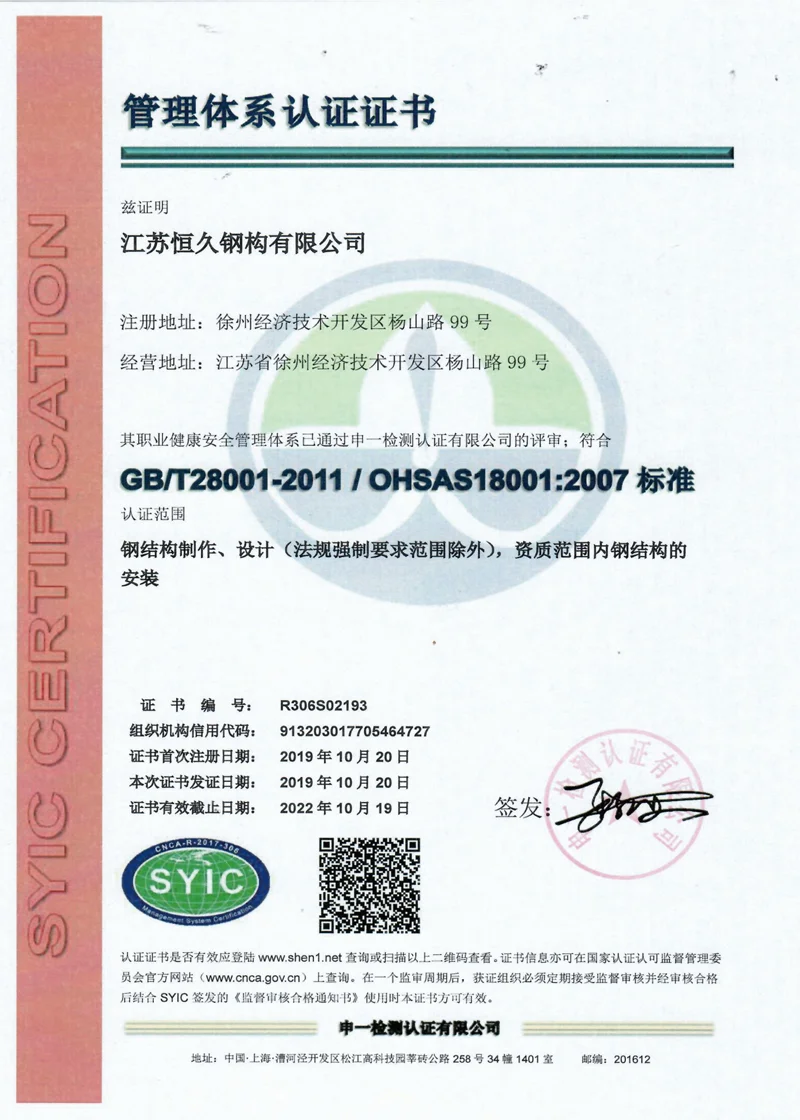
Occupational Health & Safety
Site safety discipline benchmarked against the ISO 45001 framework - the standard behind zero-incident projects like the Xuzhou station dome
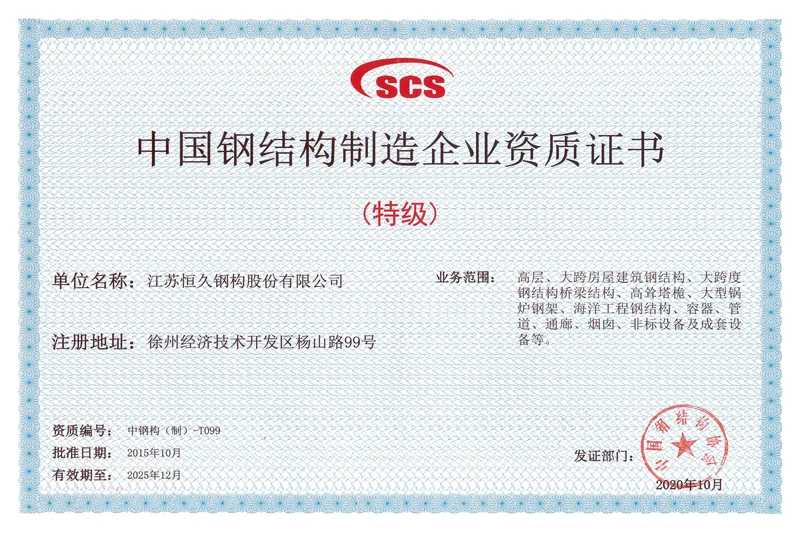
Special-Grade Steel Structure Manufacturing
The highest tier in China’s steel structure manufacturing qualification system - legal authority for all structure types at any scale
结构).webp)
Class I Bolted-Sphere Grid Qualification
The highest grade for bolted-sphere spatial grid manufacturing - held by very few companies nationwide, and the credential behind the 229 m world-record span
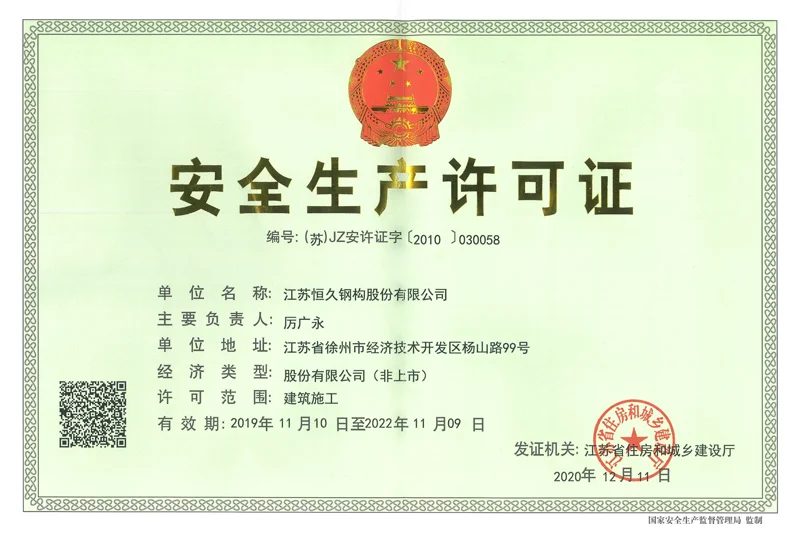
Safety Production License
Required for on-site erection work - the legal basis for our install teams on projects we both fabricate and erect
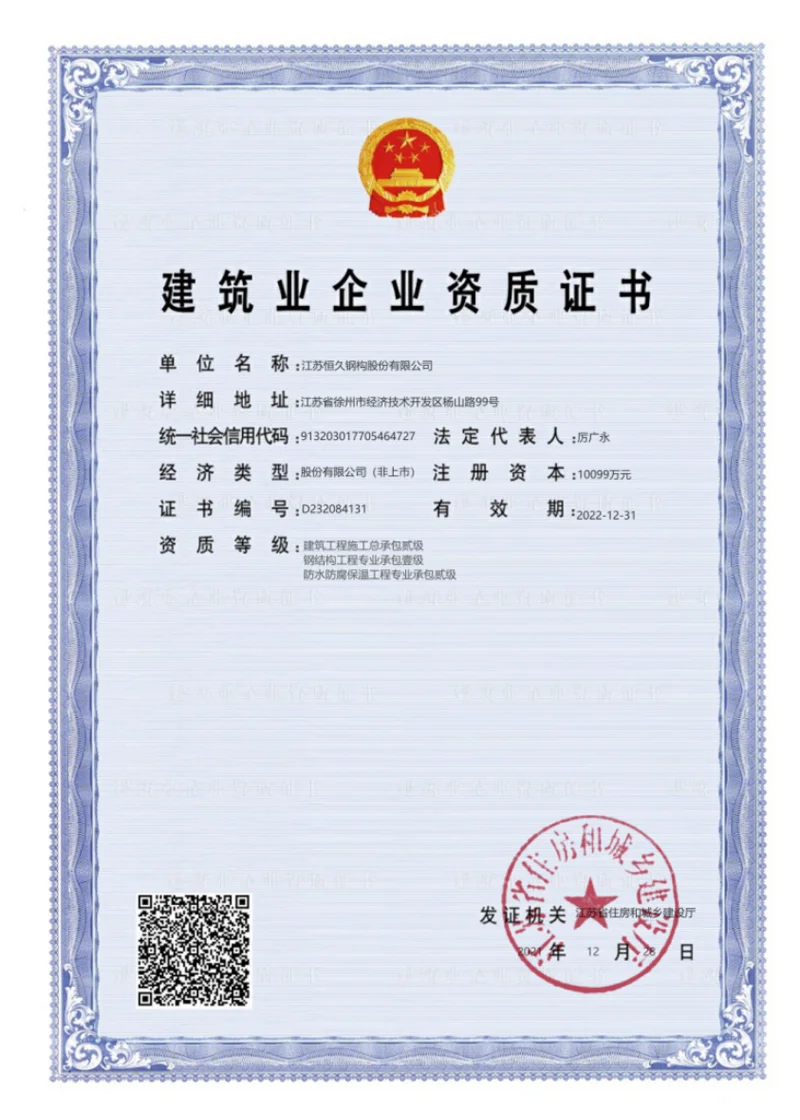
Construction Enterprise Qualification
Design and construction qualifications for steel structure engineering - including the light-steel design qualification that lets us stamp drawings
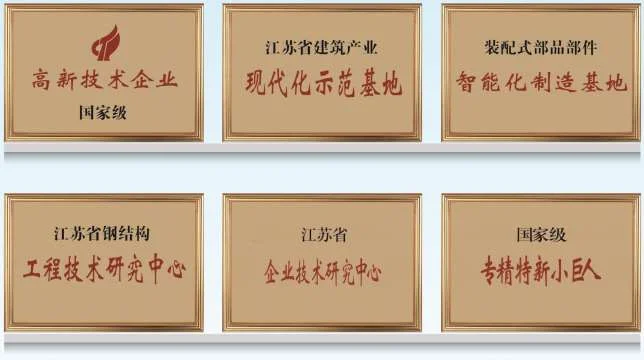
Eleven Awards, One Verifiable Record
Luban Prize, Steel Structure Gold Award, National High-Tech Enterprise, Little Giant - each granted by an independent committee
Standards Co-Authored
Our engineers contribute to national and industry standards, so our quality definitions are the industry’s definitions
Explore Our Engineering and Qualifications in Detail
Research & Innovation →
Deep dive into our R&D programs, the joint center with SJTU, and the research topics driving our next generation of engineering capability.
Qualifications & Credentials →
The six Special-Grade Manufacturing Licenses, including special-class for bolted-sphere grid, pipe truss, and steel structure manufacturing — and what each means for your project.
Company Profile →
Company history since 1999, manufacturing base scale, annual capacity, and the full project portfolio across industrial, infrastructure, and international sectors.
Discuss Your Project with Our Engineering Leadership
Whether your project requires a spatial grid optimization, a seismic-rated structure, or a cold-climate design, our engineering team reviews your requirements within 24 hours and provides a feasibility assessment from qualified engineers.
Contact Our Engineering Team