R&D Innovation: Engineering the Structures Others Cannot
50+ R&D engineers, 60%+ holding senior professional titles. 100+ granted patents. 30+ published papers and industry standards. A joint Research Center for Intelligent Construction of Spatial Steel Structures with Shanghai Jiao Tong University, established 2023. This is not a marketing department — it is a research institution embedded in a manufacturing company, solving structural engineering problems that standard design manuals do not cover.
A Research Team Built for Structural Engineering
Permanent Steel's R&D division employs over 50 full-time engineers dedicated to structural research, design technology development, manufacturing process innovation, and construction method engineering. Over 60% of these engineers hold senior professional titles (高级工程师 or above) — the highest technical rank in China's professional engineering hierarchy, requiring a minimum of 10 years of relevant engineering experience, a portfolio of significant project contributions, and successful completion of a rigorous professional assessment. This is not a team of recent graduates writing reports; it is a team of senior engineers who have spent their careers solving real structural engineering problems.
The R&D division is structured around three functional groups, mirroring our three core key technologies: Intelligent Design Technology (parametric modeling, structural optimization, finite element analysis), Intelligent Manufacturing Technology (CNC process development, welding metallurgy, production automation), and Intelligent Construction Technology (jacking systems, lifting methods, prestressed tensioning, on-site monitoring). Each group combines theoretical research with hands-on shop-floor and site experience — our researchers do not work in isolation from production; they are embedded in the manufacturing and construction workflow, ensuring that research outcomes are immediately validated against real production constraints.
This integration between research and production is deliberate. In steel structure engineering, the gap between a design that works in analysis software and a design that can be fabricated, transported, and erected on site is significant. Our R&D engineers understand both sides of that gap because they work on both sides. When we develop a new connection detail, it is tested in our own workshops before it enters a project. When we develop a new construction method, it is validated on our own project sites before it is offered as a standard approach.
Joint Research Center with Shanghai Jiao Tong University

In 2023, Permanent Steel established the Joint Research Center for Intelligent Construction of Spatial Steel Structures with Shanghai Jiao Tong University (SJTU), one of China's top-tier research universities and a C9 League member. The center focuses on fundamental and applied research at the intersection of structural engineering, computational design, and construction automation — areas where academic research and industrial application must converge to produce usable results.
The collaboration model is not a sponsorship or a naming-rights arrangement. It is an operational research partnership: SJTU faculty and graduate students work alongside Permanent Steel engineers on defined research projects, with access to our manufacturing facilities and project sites as full-scale test beds. Research outcomes flow in both directions — academic publications and theses from SJTU inform our engineering practice, while our project data and manufacturing experience provide SJTU researchers with real-world validation datasets that are rarely available in university laboratories.
Key research areas of the joint center include:
- Parametric topology optimization for long-span grid structures — developing algorithms that generate structurally efficient grid topologies based on load patterns, boundary conditions, and fabrication constraints, rather than relying on the engineer's intuition alone.
- Structural health monitoring using embedded sensors and digital twin technology — creating real-time structural models that compare measured response against designed response, enabling predictive maintenance and early detection of structural anomalies.
- Intelligent construction sequencing — computational methods for optimizing the sequence of member installation, jacking operations, and prestress tensioning to minimize construction risk and schedule duration for complex spatial structures.
- Steel-concrete composite behavior — research into the structural performance of partially encased concrete (PEC) composite members under various loading conditions, including cyclic loading for seismic resistance.
For international clients, the SJTU partnership provides an additional layer of technical assurance. When a project involves structural challenges that exceed standard design code provisions — extreme spans, unusual load combinations, novel material applications — the combined resources of a top-tier university research department and an experienced steel structure manufacturer are available to develop and validate the solution. This is not a standard offering in the Chinese steel structure export market, where most manufacturers rely on off-the-shelf design software and standard connection libraries.
100+ Patents: Innovation Across the Value Chain
Permanent Steel holds over 100 granted patents covering inventions, utility models, and design patents across the full steel structure value chain. Patent counts, in isolation, can be misleading — some companies accumulate low-quality utility model patents for marketing purposes. Our patent portfolio is different: it is concentrated in invention patents (发明专利), the category that requires substantive examination by the China National Intellectual Property Administration and is granted only for genuine technical innovations with industrial applicability.
The patent portfolio spans five categories:
- Structural system patents — covering innovations in grid topology, beam-string configurations, modular connection systems, and composite structural assemblies. These protect the core technology systems that differentiate our structures from standard designs.
- Manufacturing process patents — covering CNC cutting methods, welding procedures (including thick-plate narrow-gap welding and ultra-low temperature service steel welding), bending and forming techniques, and digital pre-assembly processes. These protect the fabrication methods that enable us to produce complex members that other manufacturers cannot.
- Construction method patents — covering hydraulic jacking systems, synchronous lifting control methods, sliding installation tracks, and prestressed tensioning sequences. These protect the on-site assembly techniques that enable us to erect structures that cannot be built with conventional crane-based installation.
- Connection detail patents — covering bolted-sphere node designs, complex welded joint configurations, and modular connection systems. These protect the engineering details that determine structural performance under load.
- Software and digital technology patents — covering parametric design algorithms, CAD-CAM data integration methods, and production monitoring systems. These protect the digital infrastructure that connects design to manufacturing to construction.
Patents matter to international clients for two reasons. First, they demonstrate that the company invests in innovation rather than merely executing standard designs — a patented technology has been independently assessed as novel and non-obvious by a patent examiner. Second, they provide a form of technical documentation: each patent application includes detailed technical descriptions and drawings that serve as additional reference material for understanding our manufacturing and construction capabilities.
Nine Structural Technology Systems
Our R&D investment has produced nine distinct structural technology systems — each developed to solve a specific category of building problem. These are not product categories (beams, columns, trusses); they are engineering systems that integrate structural design, material selection, manufacturing process, and construction method into a complete solution.

01 — Long-span Spatial Grid Structure System
Bolted-sphere and welded-sphere space frames for clear spans up to 229m. The core system for column-free large-volume spaces.
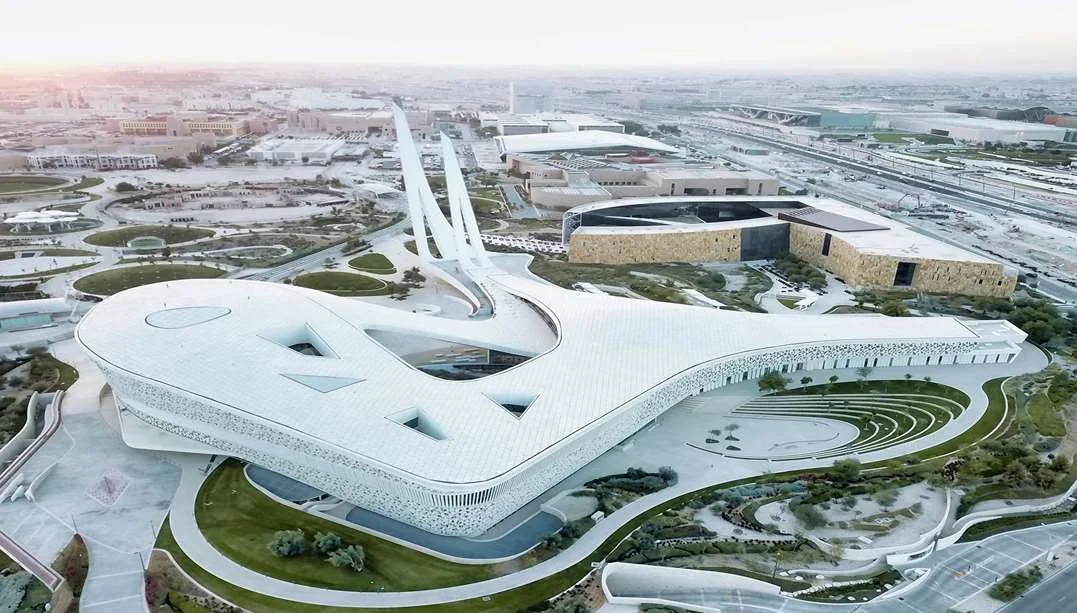
02 — Ultra-long-span Beam-string Structure System
Prestressed cable-strut hybrid structures combining the efficiency of tension members with the stiffness of compression members.
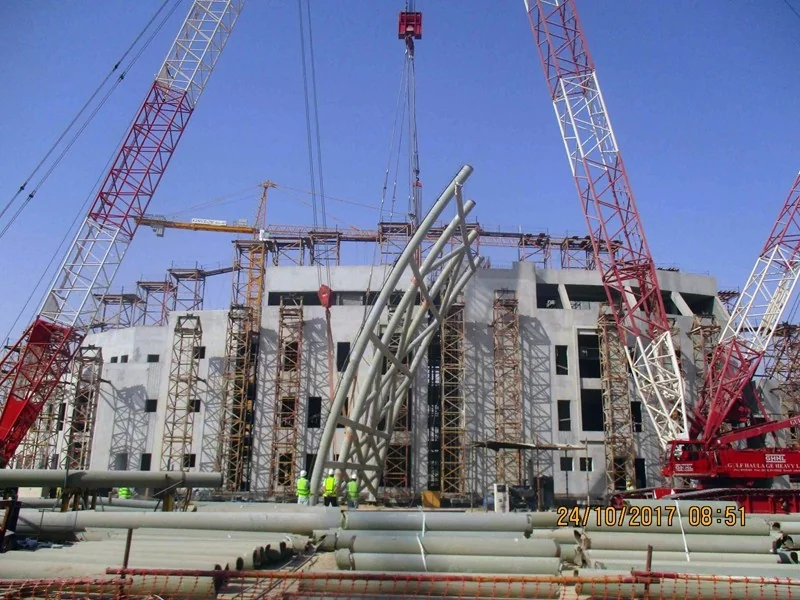
03 — Low-carbon PEC Integrated Residential System
Partially encased concrete-steel composite sections for residential buildings, combining fire resistance with structural efficiency.
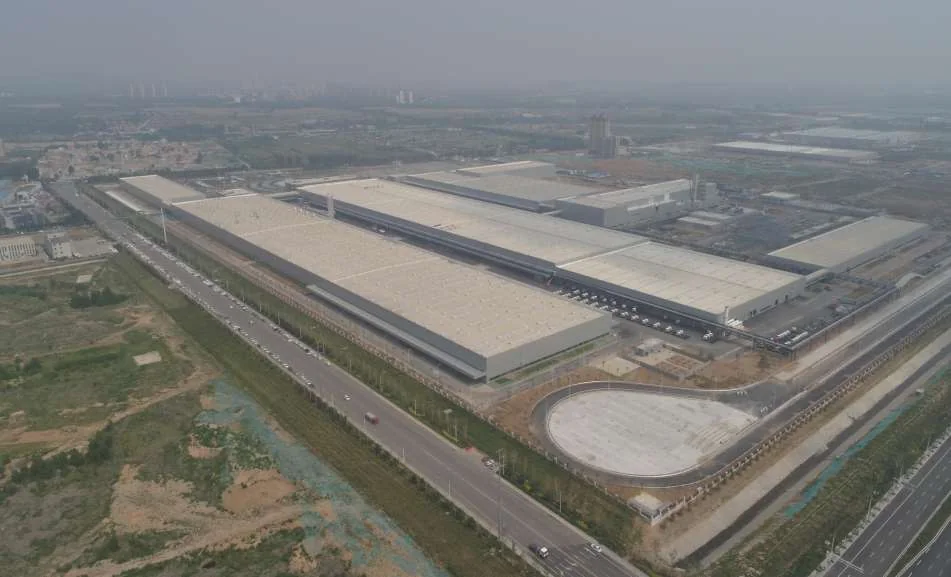
04 — Multi-story All-steel Integrated Building
Prefabricated all-steel structural systems for multi-story and high-rise buildings with bolted connections for rapid on-site assembly.
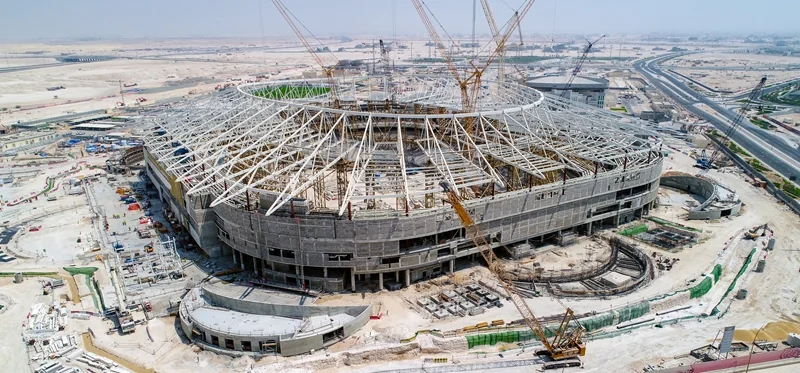
06 — Ultra-light Steel Integrated Residential
Cold-formed thin-walled steel framing for low-rise residential and light commercial structures with minimal foundation requirements.
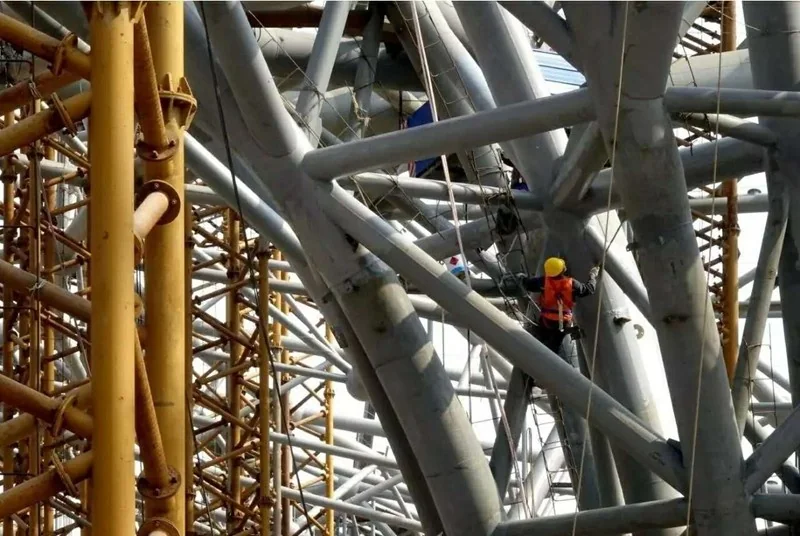
07 — Modular Integrated Building System
Factory-complete volumetric modules with integrated structure, envelope, and MEP, transported to site for immediate stacking and connection.
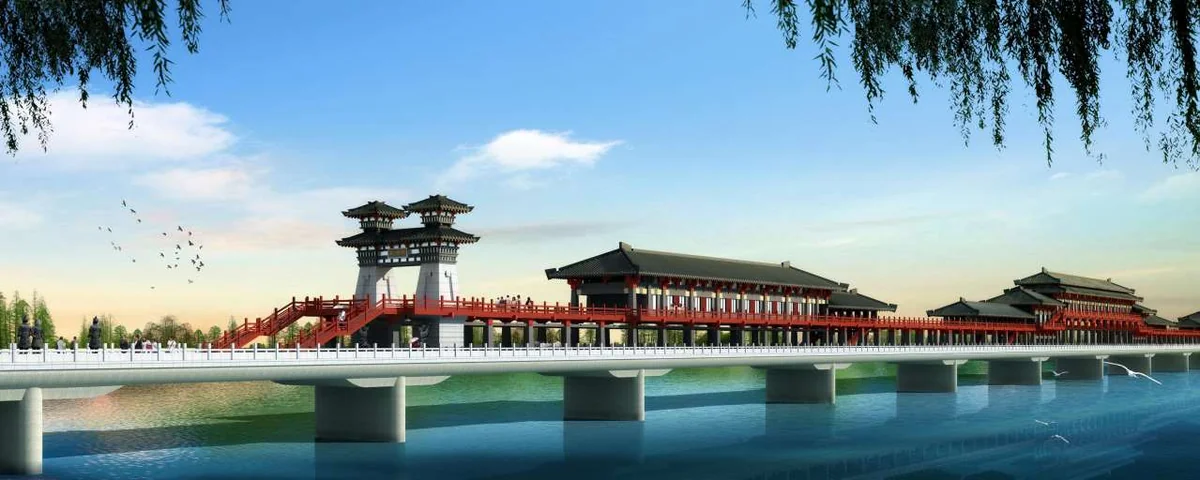
08 — Metal Roof BIPV Technology
Building-integrated photovoltaics on standing-seam metal roofing, converting industrial building envelopes into power generation assets.
09 — Prefabricated Steel Structure Bridge
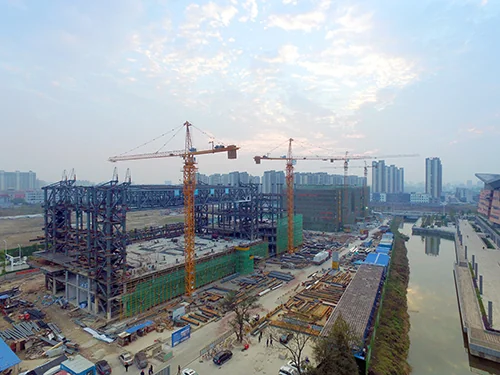
Modular steel bridge systems for pedestrian, highway, and industrial applications, designed for rapid deployment and minimal site disruption.
Three Core Key Technologies
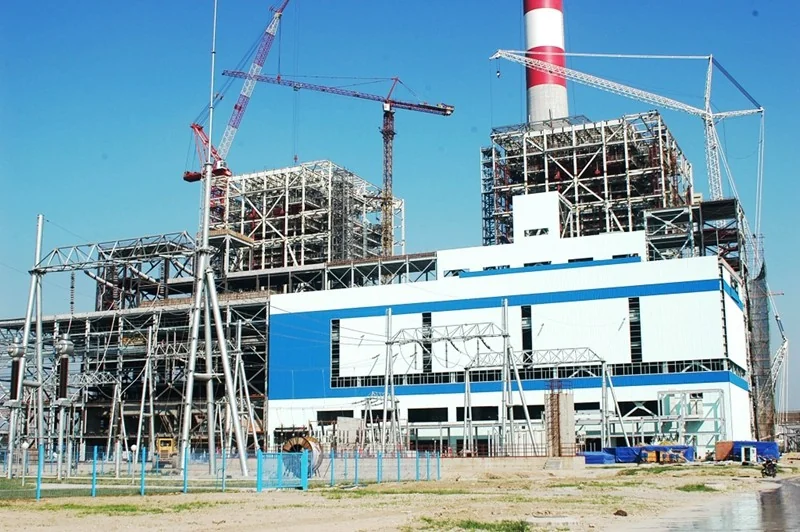
Beyond the nine structural systems, Permanent Steel has developed three core key technologies that underpin all of them — the intelligent design, manufacturing, and construction methods that differentiate our execution from conventional steel structure fabrication.
1. Intelligent Design Technology for Spatial Grid Structures
A CAD-CAM integrated design system that uses parametric modeling to generate grid topologies, performs finite element analysis and structural optimization in the same environment, and exports manufacturing data directly to CNC equipment without manual data re-entry. This eliminates the translation errors that occur when design drawings are manually interpreted by fabrication shops. Learn more about intelligent design technology →
2. Steel Structure Intelligent Manufacturing Technology
A self-developed intelligent production line that integrates CNC cutting, robotic welding, automated tube processing, and real-time production monitoring. The system receives design data directly from the CAD environment, programs CNC equipment automatically, and tracks every member through the production process with digital traceability. Learn more about intelligent manufacturing technology →
3. Steel Structure Intelligent Construction Technology
A suite of construction methods for assembling complex spatial structures safely and efficiently: hydraulic jacking for large grid structures, computer-controlled synchronous lifting for long-span roofs, sliding installation for structures over occupied spaces, and prestressed tensioning for beam-string systems. These methods enable the erection of structures that cannot be installed with conventional crane-based approaches. Learn more about intelligent construction technology →
Publications, Standards & Industry Leadership
Permanent Steel's research output extends beyond patents into the formal knowledge base of the steel construction industry. We have contributed to over 30 publications and industry standards — including technical papers in peer-reviewed engineering journals, chapters in industry design manuals, and participation in the drafting of national and industry standards for steel structure design, fabrication, and construction.
Contributing to industry standards is distinct from merely following them. A company that helps write the standard has demonstrated to the standards committee that it possesses expertise at the frontier of the field. When the standard is revised, the committee seeks input from companies with documented project experience in the relevant technical area. Permanent Steel's participation in standard-drafting committees covers areas including: spatial grid structure design methods, steel structure welding acceptance criteria, prefabricated steel building technical requirements, and steel structure digital manufacturing terminology.
For international clients, this means the engineering methods behind your project are not improvised — they are informed by the same technical knowledge that shapes industry standards. When questions arise about design methodology, fabrication tolerances, or construction quality acceptance, we can reference the specific standard provisions that govern each decision, because in many cases, we contributed to writing those provisions.
Our research output is also validated by the awards and recognitions described on our honors page, including the National Energy Science & Technology Progress Award and 1st Prize awards from both the China Construction Metal Structure Association and the China Steel Construction Society — each recognizing a distinct area of our research contribution.
R&D Infrastructure & Testing Capability
Research in structural engineering requires more than desk calculations and software simulations — it requires physical testing facilities where theoretical predictions are validated against the behavior of real materials, connections, and structural assemblies. Permanent Steel's R&D infrastructure includes testing capabilities that bridge the gap between analytical models and fabricated reality.
Our testing capabilities include: material testing (tensile, impact, hardness, and chemical composition analysis of structural steels); weld testing (procedure qualification records with mechanical testing of weld specimens including tensile, bend, Charpy V-notch impact, and macro-etch examination); connection testing (full-scale physical testing of bolted and welded connections under axial, shear, and cyclic loading); and member testing (loading tests on fabricated members to verify deflection, buckling behavior, and ultimate capacity against analytical predictions). Testing is performed in accordance with Chinese national standards (GB/T series) and, where required by international clients, in accordance with ASTM, EN, or ISO standards.
The testing infrastructure is not used only for product development — it is integrated into our production quality management system. Every welding procedure used in production is qualified through physical testing. Every material batch is verified through material testing before it enters the production line. Every new connection detail developed by our R&D team is validated through physical testing before it is applied to a project. This testing-based approach to innovation — develop, test, validate, then apply — ensures that our technologies work in practice, not just in theory.
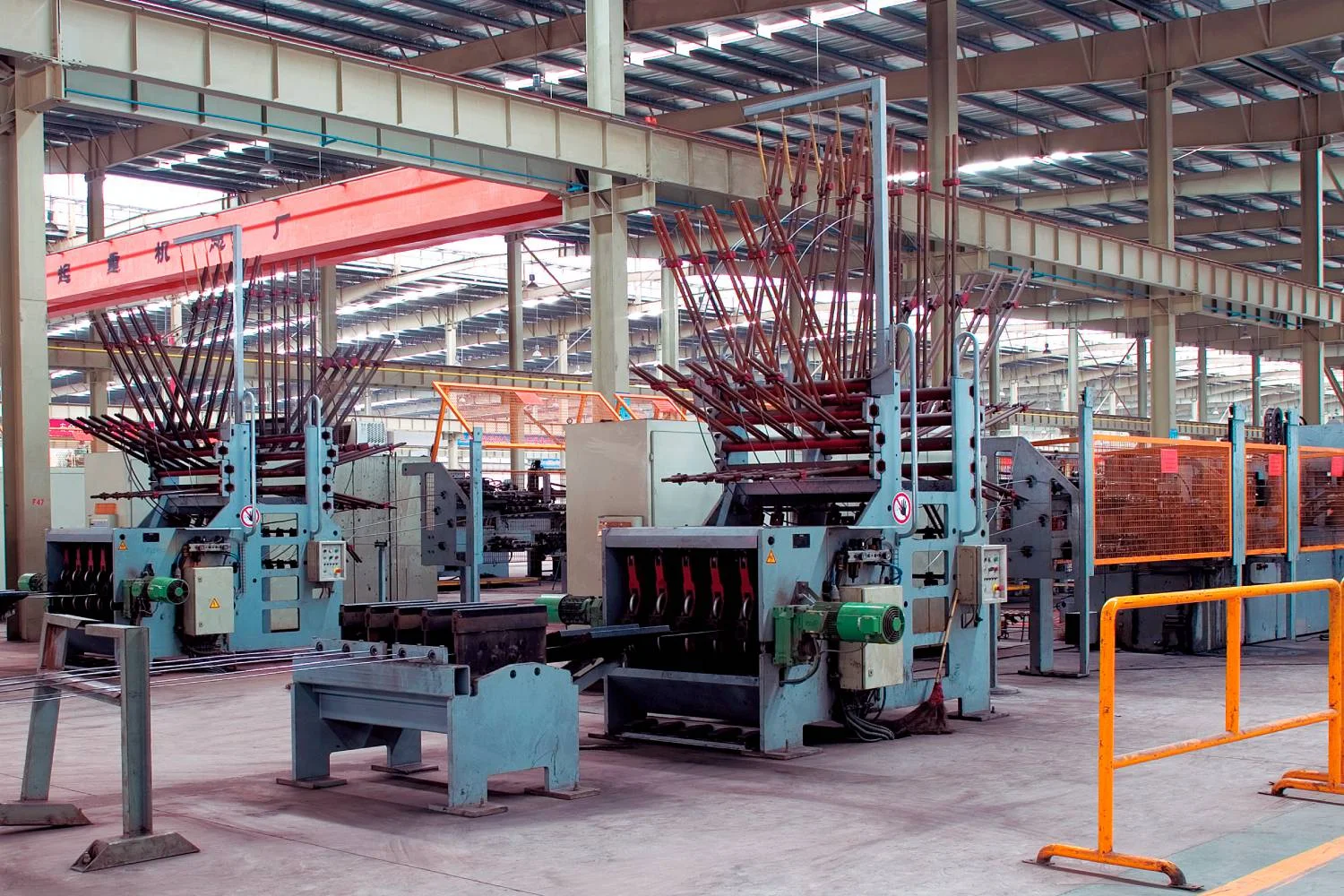
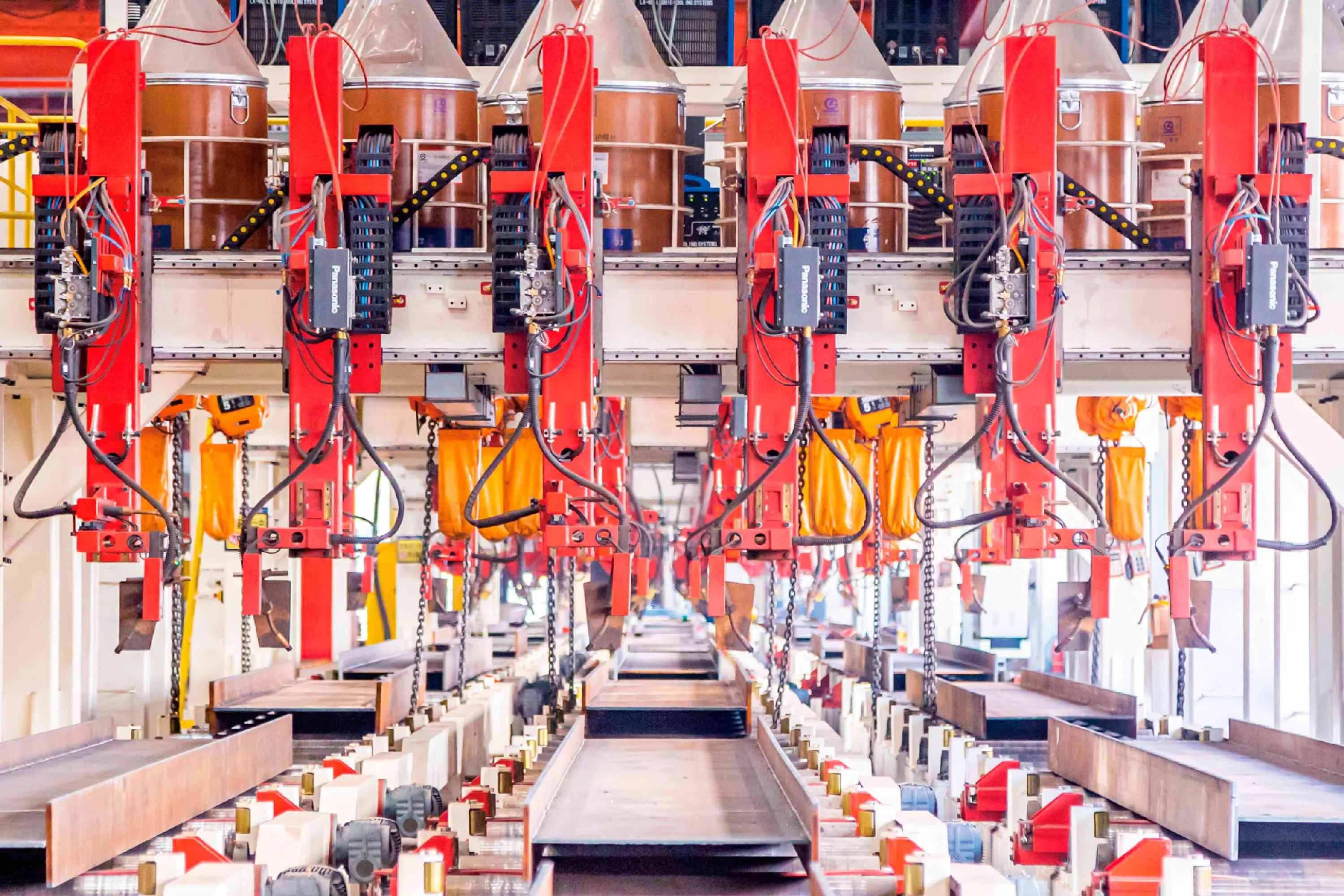
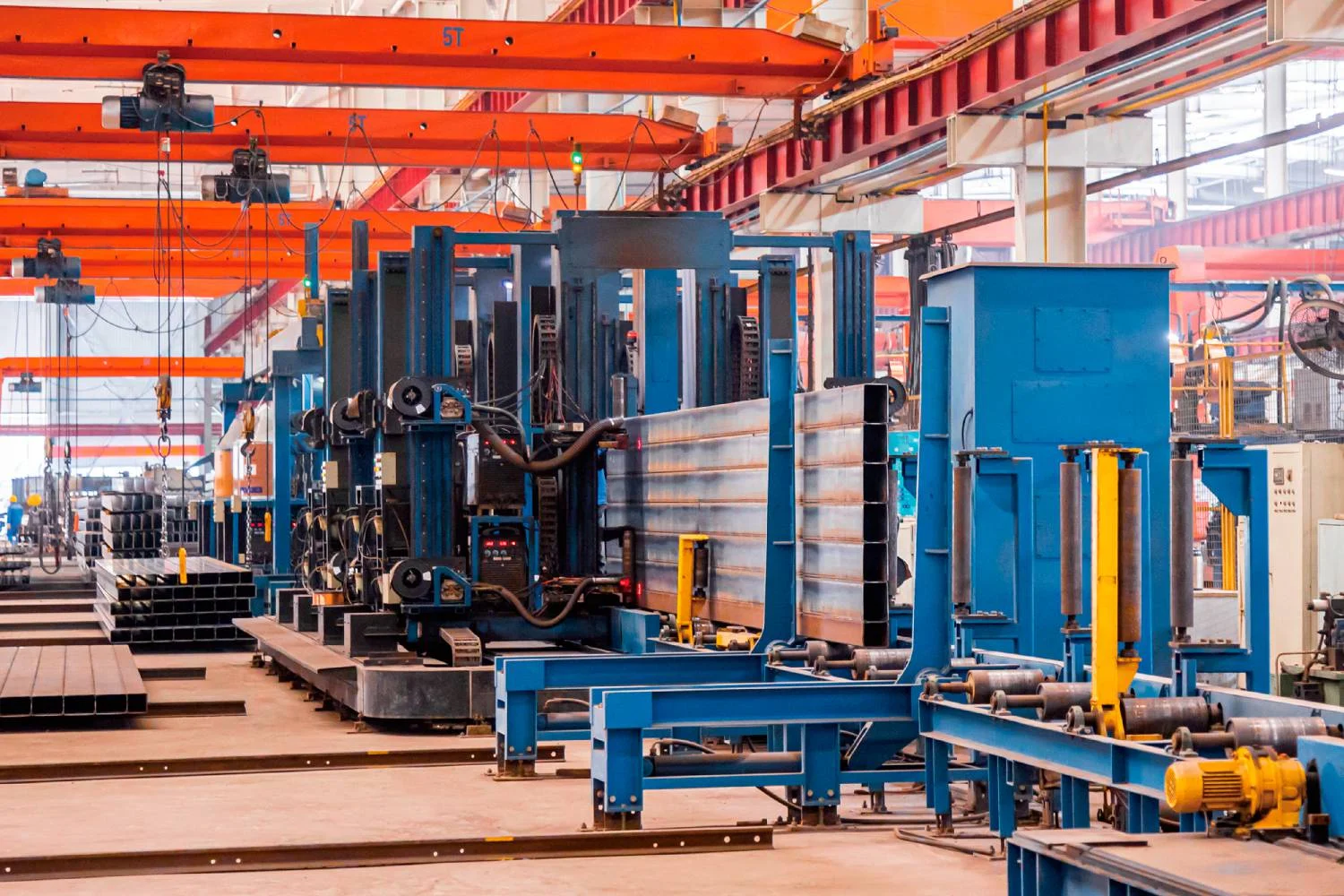
The images above show two of our specialized production lines: the steel pipe bundle production line, which fabricates the steel pipe bundles used in our PEC composite structural system (System 03) — multiple steel pipes connected into a bundle that is later filled with concrete to create a composite column or wall member; and the rebar truss production line, which fabricates the steel truss elements used in composite floor decks — where a steel truss is welded to a flat steel sheet, creating a floor deck element that serves as both formwork and reinforcement for the concrete topping slab. These production lines were developed in-house and represent the manufacturing infrastructure that translates our structural research into fabricable, deployable building components.
The rebar truss production line exemplifies the connection between R&D and production: the truss geometry (bar diameter, truss depth, pitch spacing) is determined by structural requirements analyzed in our design model, and the production line receives these parameters as CNC programming data — the same digital pipeline that drives our main structural member fabrication. This is the intelligent manufacturing principle applied to auxiliary components: the design model is the manufacturing instruction set, with no manual data re-entry between design and production.
From Research to Industry Standards
The ultimate validation of R&D capability is not patents or awards — it is the adoption of your research by the broader industry. Permanent Steel's research findings have been incorporated into national and industry standards that govern steel structure design, fabrication, and construction across China. When a standard is revised to include methods or criteria developed through our research, it means the industry has recognized our technical contribution as reliable enough to mandate for all practitioners.
Our standards participation covers multiple areas: spatial grid structure design methodology (contributing to the provisions for grid topology selection, member sizing, and connection design in the national code for spatial grid structures); steel structure welding acceptance criteria (contributing to the quality acceptance provisions for thick-plate welds, narrow-gap welds, and ultra-low temperature service welds); and prefabricated steel building technical requirements (contributing to the provisions for factory fabrication tolerances, bolted connection design, and construction sequencing for modular and panelized steel buildings).
For international clients, standards participation means that the engineering methods behind your project are not experimental — they are grounded in the same technical framework that governs steel construction across an entire nation. When we propose a design approach, a fabrication procedure, or a construction method, we can reference the standard provisions that support it. And when your project requires deviation from standard provisions — because of unusual loading, extreme spans, or novel geometry — the same R&D team that contributed to writing the standard is available to develop and validate the engineering justification for the non-standard approach.
This is the full expression of our R&D capability: not just solving today's engineering problems, but shaping the technical framework that defines how the industry solves tomorrow's problems. It is the deepest form of industry authority — the kind that cannot be acquired by marketing, only by sustained technical contribution.
Put Our R&D Capability to Work on Your Project
Whether your project requires a standard spatial grid or a record-breaking 200m+ span, our engineering team can provide a validated technical solution. Contact us with your structural requirements.