Buying Steel Structures from China for Vietnam
Vietnam's manufacturing expansion has made it one of the busiest importers of prefabricated steel in the region, and the sea lane from Shanghai is short. The practical questions are Vietnamese: TCVN 5575 design reference, TCVN 7889/9381 construction compliance, Ministry of Construction approval, tropical corrosion protection and what actually lands on the invoice after 10% VAT. This guide answers them for a buyer planning a factory, warehouse or logistics building.
Which Vietnamese Codes Your Fabricator Must Meet
Vietnamese steel buildings are designed and built to the TCVN standard family. If your technical specification does not name them, a foreign fabricator may default to its domestic code — which then fails the design-check at approval time. Put the documents below in writing before quoting.
| Document | Scope | Key Requirement for Imported Steel |
|---|---|---|
| TCVN 5575:2012 | Design of steel structures | Member, connection and stability design per the Vietnamese national standard, checked by the project's licensed local design unit. |
| TCVN 7889 / TCVN 9381 | Construction, installation and acceptance of steel works | Erection, welding and handover acceptance follow these codes; inspection and completion documentation must match. |
| ASTM A572 / EN 10025 equivalents | Structural steel material grades | Mill certificates per heat with chemistry and tensile values. Q355B maps to A572 Gr.50 with documented chemistry. |
| AWS D1.1 / ISO 3834 | Structural welding quality | Welder qualification and WPS/PQR documented; certificates traceable to the individual welder for site inspection. |
| ISO 12944 | Corrosion protection of steel structures | Tropical climate and coastal salt call for C3–C4 systems; specify DFT and coating sequence in the contract. |
How We Execute Vietnam-Code Projects
On Vietnam-bound orders we design and detail to TCVN 5575, with construction and acceptance documentation aligned to TCVN 7889/9381. Material follows ASTM or EN equivalents with per-heat mill certificates, welding follows AWS D1.1 with WPS qualified in our Xuzhou shop, and coating is quoted to ISO 12944 C3–C4 — standard on Vietnamese factory projects is a 2–3-coat system around 240 µm DFT. Shop drawings are issued for your licensed design unit's review, and third-party inspection (SGS, Bureau Veritas) is available before loading.
Because Vietnamese manufacturing projects run on tight construction schedules, we keep portal-frame and prefabricated building production slots predictable: our 200,000-tonne annual capacity and 6 special-grade qualifications make a 400–1,500 t factory frame a standard production slot, not a scheduling risk.
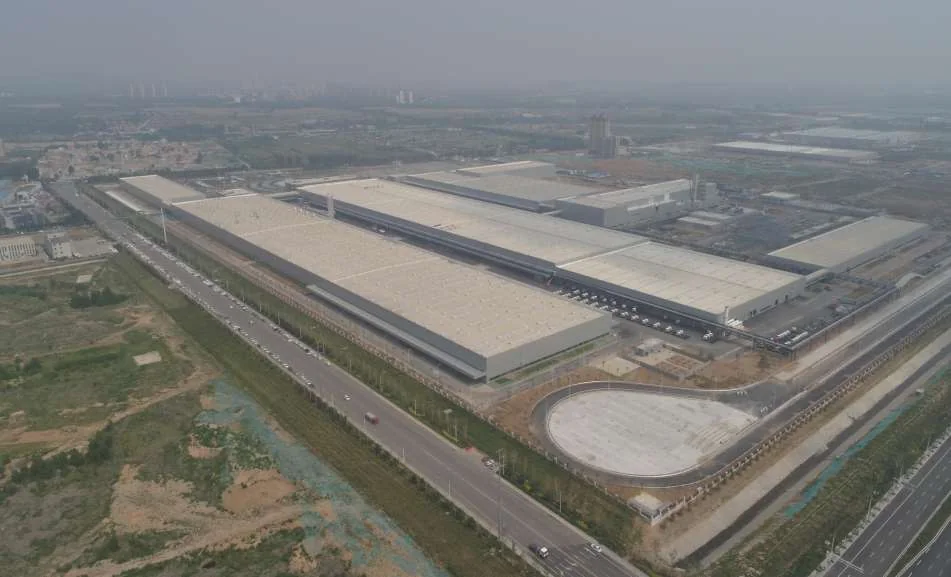
Portal-Frame Workshops for Manufacturing
The system Vietnam's manufacturing boom runs on: portal-frame workshop buildings with clear spans to 36 m, crane provisions, roof and wall cladding in one fabrication programme.
Vietnam-Specific Requirements to Plan Around
Vietnam regulates construction through the Ministry of Construction (Bộ Xây Dựng) and its provincial departments, plus customs through the General Department of Vietnam Customs. Neither step is slow if the documentation is prepared early.
Construction Approval
Factory and warehouse projects go through the Ministry of Construction (MOC) and provincial construction department approval chain. Imported steel design is reviewed by a licensed Vietnamese design unit, which stamps the drawings you will need for the construction permit. We support that review with the full fabrication file: calculations, shop drawings, mill certificates, weld records and coating data. Fire-safety approval is a separate track — exposed steel in escape routes or high-risk zones may need intumescent protection specified in the fire solution, so tell us at quotation stage if the local fire consultant has already set requirements.
Climate & Execution
Vietnam's tropical climate and long coastline make ISO 12944 C3–C4 protection the practical baseline. For coastal sites in the south, hot-dip galvanizing or zinc-rich systems are common; inland, 2–3-coat paint at 240 µm DFT covers most specifications. On the sea leg we pack with VCI film and desiccant inside sealed bundles so members arrive free of rust bloom even after transit through the wet season (May–October in the south). Site erection is normally handled by a licensed local contractor under Vietnamese law; we supply erection drawings, bolt schedules and lifting sequence so the installation team needs no interpretation calls.
Import Duty, VAT and What You Will Actually Pay
Imports into Vietnam attract customs duty plus 10% VAT. Fabricated structures commonly fall under HS 7308, where MFN rates are typically 0–5%, and goods originating in China may qualify for a further reduction under the China–ASEAN Free Trade Agreement (ACFTA) with a Form E certificate of origin. Confirm the HS classification and current rates with your customs agent at import time — the figures below are planning guidance, not a binding quote.
| Cost Component | Indicative Magnitude | Notes |
|---|---|---|
| Import duty, steel structures | 0–10% by HS code; often 0–5% for HS 7308 | ACFTA Form E may reduce eligible goods; confirm at import. |
| VAT on import | 10% (standard rate) | Levied on the CIF value plus duty at clearance. |
| Customs clearance & agency | VND-based fee per shipment | Declaration via VNACCS/VCIS e-customs; agent fee plus port charges. |
| Ocean freight, Shanghai→Cat Lai | USD 20–35 / t (2026 indicative) | Only 3–5 days sailing; Hai Phong runs 4–6 days. |
| Port handling & storage | Per container / per tonne | Cai Mep deep-water port suits very large consignments; budget dwell time. |
The bottom line: with single-digit duty on most steel construction articles (0–5% typical, lower under ACFTA) plus 10% VAT, the landed cost premium over FOB is modest — and the short sea leg keeps in-transit inventory small. Total landed cost = FOB + freight + duty + VAT + clearance. Compare on a CIF or DDP basis, not FOB.
We quote FOB and CIF by default and DDP on many Vietnam routes through our logistics partners, so you see one landed price. Send the drawings and destination port and we will return a duty-optimised breakdown your customs agent can verify line by line.
Timeline to Your Vietnam Site, Step by Step
For standard portal-frame workshops the schedule is short — often the fabrication slot dominates, because the sea leg is only days. Build the milestones below into the contract so the construction permit and payment dates stay anchored.
Shop Drawing & Approval — Wk 0-3
We issue Tekla shop drawings, bolt schedules and erection plans for your licensed design unit. Budget 2–3 weeks for standard portal frames; longer for trusses or grid roofs.
Material Procurement & Mill Certs — Wk 2-5
ASTM A572 or EN 10025 equivalents ordered per heat; mill certificates checked before cutting. Q355B mapped to A572 Gr.50 with documented chemistry.
Fabrication & QC — Wk 5-11
A 1,000 t portal-frame workshop runs 5–7 weeks in our shop. Fit-up to AISC tolerances, 100% weld inspection by certified QC, then the ISO 12944 C3–C4 coating sequence with DFT records.
Pre-Shipment Inspection & Loading — Wk 10-12
Optional third-party witness (SGS/BV). Members are VCI-protected and sealed; timber is ISPM-15 fumigated and stamped. The Form E and full document set leave with the shipment.
Ocean Transit — Wk 12-13
Shanghai to Cat Lai (Ho Chi Minh City) is 3–5 days sailing, and 4–6 days to Hai Phong. Cai Mep deep-water port handles very large consignments. Add 2–4 days dwell.
Customs Clearance & Delivery — Wk 13-15
E-customs declaration with duty and 10% VAT settled at clearance. DDP is available on many Vietnam routes — one invoice, no surprises at the gate.
Projects of Similar Scale and Complexity
Vietnamese buyers are usually deciding on two things at once: can the fabricator deliver a standard workshop on schedule, and can it do the larger roof and bridge work the next phase of their programme may need. The evidence below covers both ends of that range.

Large-Roof Programme Capacity
Space grids and pipe trusses for wide-span halls and logistics buildings across 40+ countries — the same roof systems Vietnamese warehouse and manufacturing projects use.
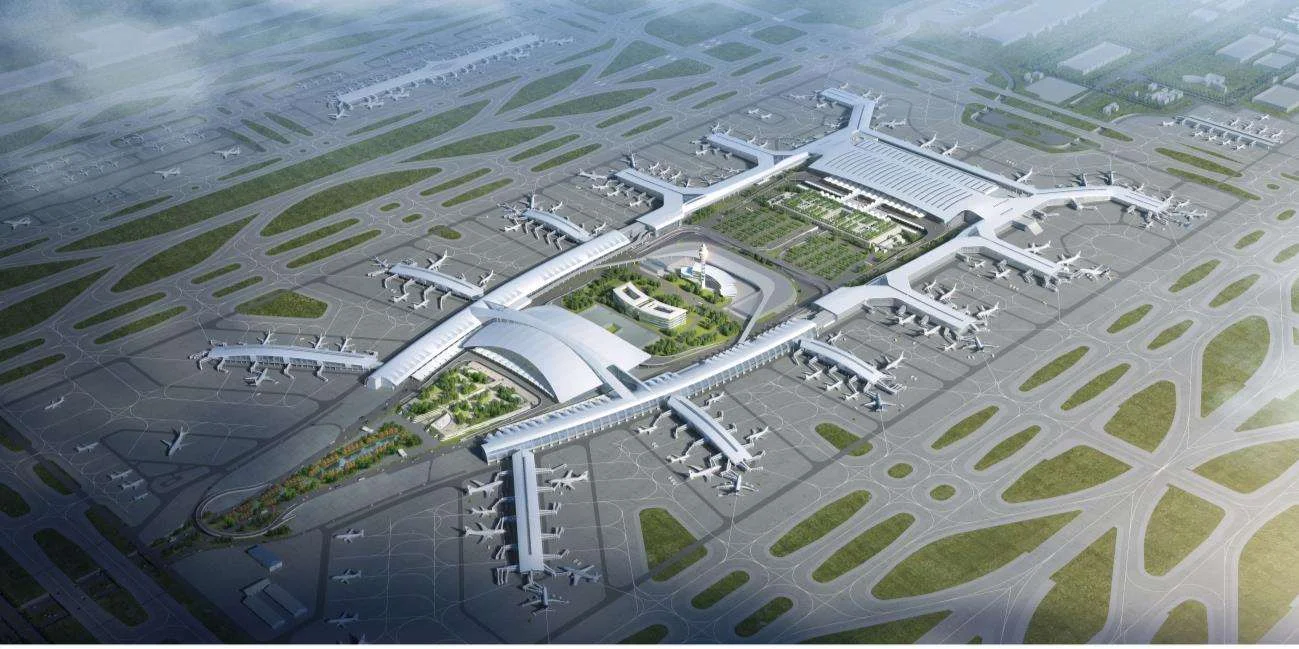
450,000 m² Airport Roof
Guangzhou Baiyun Phase III: 42,000 t of steel in one terminal programme — evidence of airport-scale fabrication and erection capacity within one supply chain.

Bridge & Infrastructure Steelwork
A 748 m covered steel bridge at Xianyang — long-span pedestrian and transport bridges of the type Vietnamese urban and infrastructure projects increasingly specify.
Vietnam Buyer Questions, Answered
Do you design to TCVN 5575?
Yes. We design and detail to TCVN 5575 with construction and acceptance documentation aligned to TCVN 7889/9381. Shop drawings are issued for your licensed design unit's review before fabrication, and mill certificates, weld records and coating data travel with the file.
Can the import duty be reduced under ACFTA?
Eligible goods originating in China can claim the China–ASEAN Free Trade Agreement rate with a Form E certificate of origin, often reducing duty on HS 7308 articles toward 0–5%. We prepare the documentation set; your customs agent confirms eligibility and classification at import time.
What is the realistic total lead time to Cat Lai?
Plan 13–15 weeks from approved drawings to site delivery on a standard 1,000 t portal-frame programme, including design-unit review, fabrication, 3–5 days of transit and customs clearance.
What payment terms do you accept?
30% deposit, 70% against bill of lading (30/70) — or LC at sight for larger and bank-financed projects. DDP quotes are available on many Vietnam routes, giving you one fixed landed price.
Get a Vietnam-Specific Quotation
Send your drawings and destination port and we will return: TCVN-compliant design notes, FOB/CIF/DDP pricing, a duty and VAT estimate, and a binding fabrication schedule for your factory or warehouse project.
Request a Quotation Talk to an Engineer